

August 7, 2025
Meet the Arduino Nano R4: Why Is This Tiny Upgrade So Big for Makers?

Share
BuildWithFlux


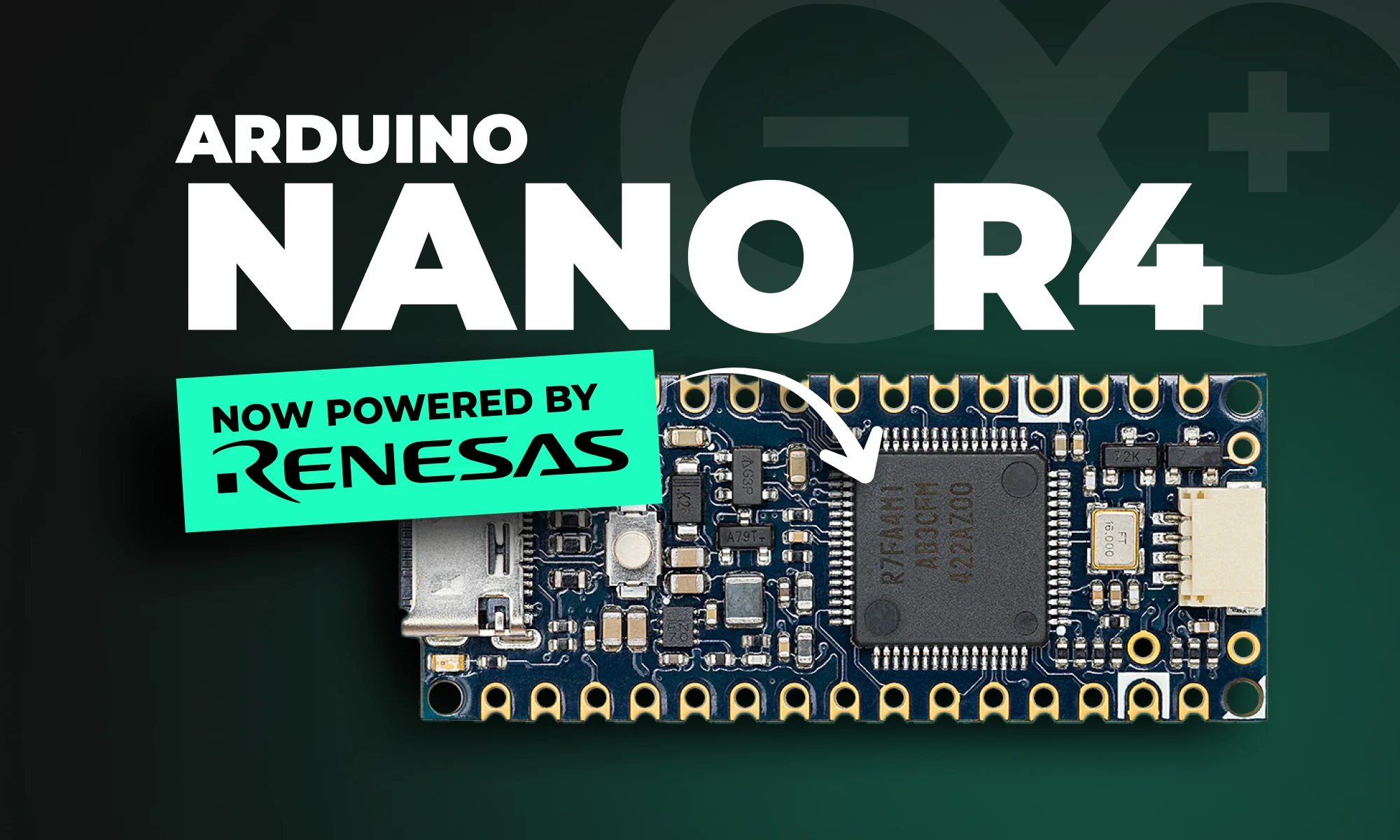


The Arduino Nano R4 is a significant upgrade to Arduino’s popular Nano line, powered by the Renesas RA4M1 microcontroller. Imagine taking the powerful brains of the Arduino UNO R4 and shrinking them into a tiny, versatile form. With a 48 MHz Arm Cortex-M4F core, 256 KB of flash storage, and integrated EEPROM, the Nano R4 provides remarkable performance in a miniature footprint.
Regardless of whether you're prototyping, building IoT projects, or designing space-conscious hardware, the Nano R4 is designed to streamline your workflow and empower your creativity.
{{underline}}
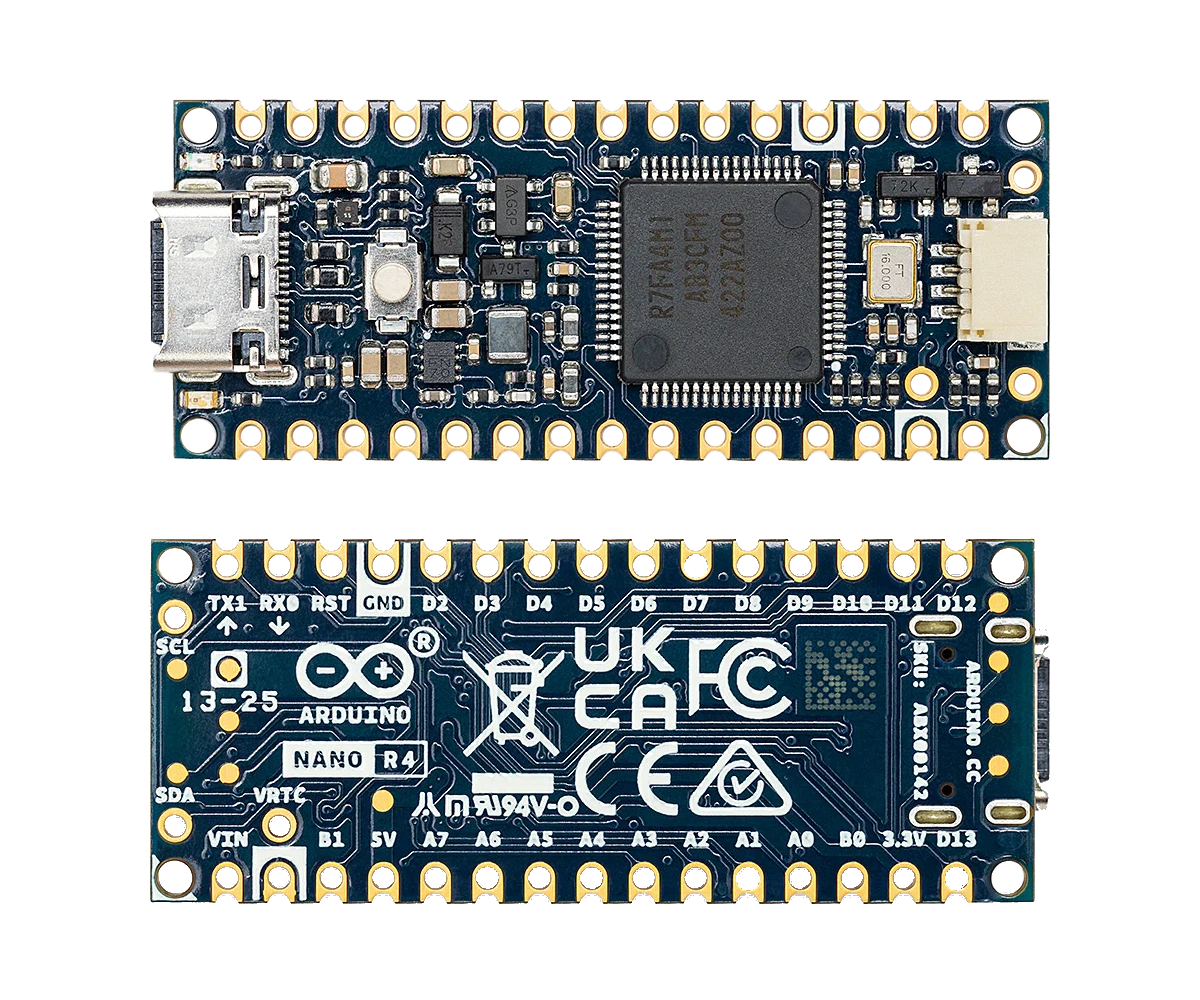
The Nano R4 offers exciting new features, making it one of Arduino’s most attractive small boards ever released:
{{underline}}
Browse the shield templates below, each pre-aligned with headers, that let hardware engineers move from concept to working prototype in record time. Choose a template, customize it to your needs, and start building.
{{upsell-project}}
{{underline}}
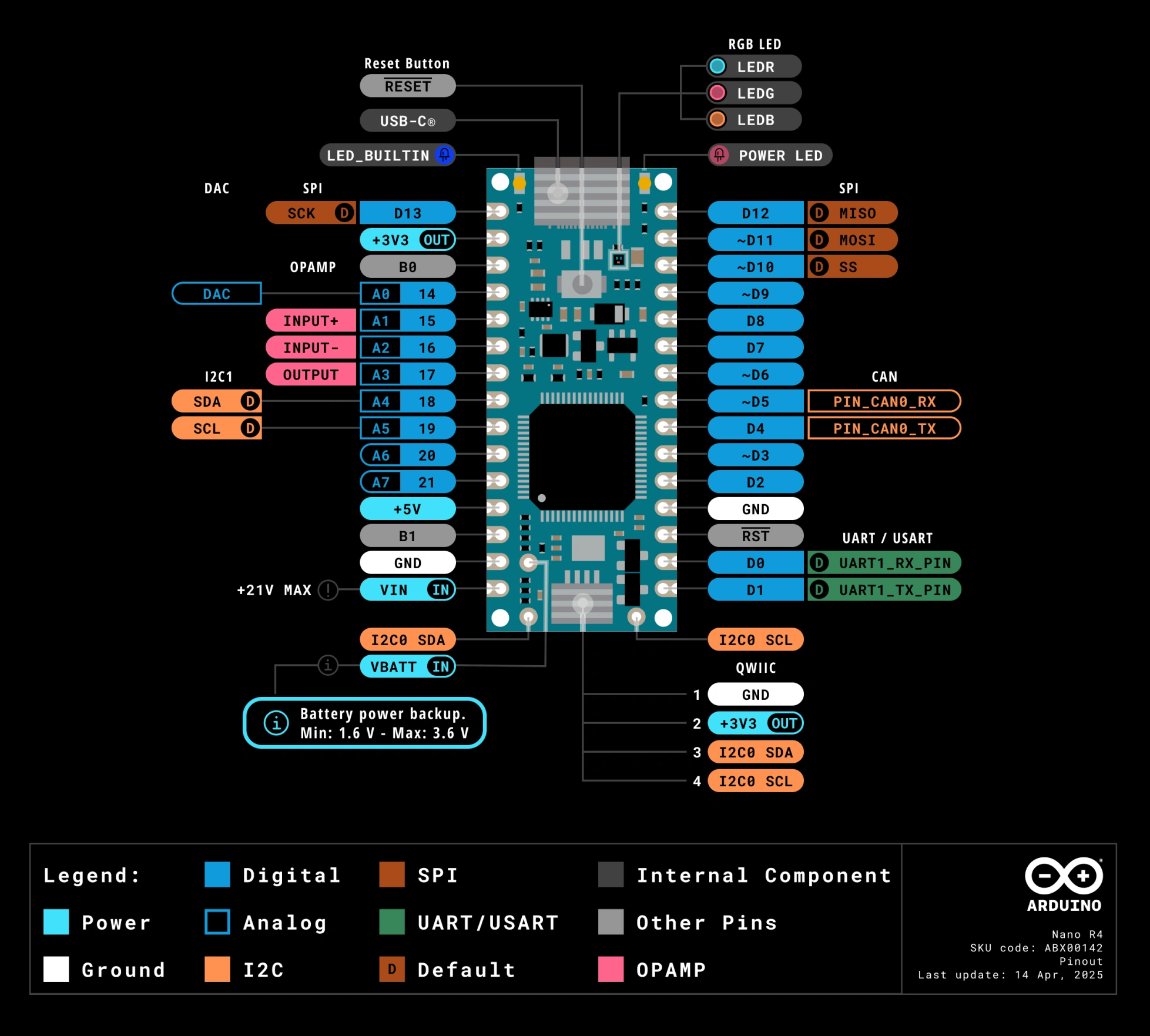
Arduino Nano R4 keeps the classic Nano pin layout, so headers, shields, and breadboard wiring stay the same. Yes, just remap the pin numbers to match the Nano R4 layout. The Nano breakout connectors pinout is shown below:
{{underline}}
Nano R4 packs high-end functionality previously reserved for larger Arduino boards into a sleek, ultra-compact form factor. This allows makers to design more sophisticated, compact IoT and wearable projects without compromising power or features.
Already using Arduino’s popular UNO R4 boards? The Nano R4 offers complete compatibility with UNO R4’s software ecosystem, meaning your existing libraries, sketches, and workflows transfer smoothly to your Nano-sized projects.
The castellated headers and single-sided components ensure easy and cost-effective manufacturing—perfect for makers looking to transition prototypes into commercial products quickly and affordably.
The integrated Qwiic connector and additional I²C lines allow effortless integration of sensors, displays, and other peripherals. Add the RTC and RGB LED, and you have a remarkably versatile board ready for endless applications.
{{underline}}
The Nano R4 meets a variety of needs:
{{underline}}
Compared to older Nano models (Nano Every or Nano 33), the Nano R4 offers substantial performance and memory improvements:
The Nano R4 brings many of the features previously only available in higher-end Arduino boards into a Nano-sized form factor.
{{underline}}
If you're currently using older Nano boards or even an Arduino UNO, here are quick reasons to make the jump to Nano R4:
{{underline}}
The Arduino Nano R4 is available in two variations:
Both versions are available directly from Arduino's online store and major electronics distributors.
{{underline}}
Arduino’s Nano R4 sets a new standard for compact, powerful, and production-friendly microcontroller boards. Whether you’re prototyping the next big IoT device or scaling your prototype for production, the Nano R4 offers the power and flexibility you need.
Visit our Featured Projects page to discover innovative Arduino builds and spark inspiration for your next big idea.
{{upsell-project}}
The Arduino Nano R4 is a significant upgrade to Arduino’s popular Nano line, powered by the Renesas RA4M1 microcontroller. Imagine taking the powerful brains of the Arduino UNO R4 and shrinking them into a tiny, versatile form. With a 48 MHz Arm Cortex-M4F core, 256 KB of flash storage, and integrated EEPROM, the Nano R4 provides remarkable performance in a miniature footprint.
Regardless of whether you're prototyping, building IoT projects, or designing space-conscious hardware, the Nano R4 is designed to streamline your workflow and empower your creativity.
{{underline}}
The Nano R4 offers exciting new features, making it one of Arduino’s most attractive small boards ever released:
{{underline}}
Browse the shield templates below, each pre-aligned with headers, that let hardware engineers move from concept to working prototype in record time. Choose a template, customize it to your needs, and start building.
{{upsell-project}}
{{underline}}
Arduino Nano R4 keeps the classic Nano pin layout, so headers, shields, and breadboard wiring stay the same. Yes, just remap the pin numbers to match the Nano R4 layout. The Nano breakout connectors pinout is shown below:
{{underline}}
Nano R4 packs high-end functionality previously reserved for larger Arduino boards into a sleek, ultra-compact form factor. This allows makers to design more sophisticated, compact IoT and wearable projects without compromising power or features.
Already using Arduino’s popular UNO R4 boards? The Nano R4 offers complete compatibility with UNO R4’s software ecosystem, meaning your existing libraries, sketches, and workflows transfer smoothly to your Nano-sized projects.
The castellated headers and single-sided components ensure easy and cost-effective manufacturing—perfect for makers looking to transition prototypes into commercial products quickly and affordably.
The integrated Qwiic connector and additional I²C lines allow effortless integration of sensors, displays, and other peripherals. Add the RTC and RGB LED, and you have a remarkably versatile board ready for endless applications.
{{underline}}
The Nano R4 meets a variety of needs:
{{underline}}
Compared to older Nano models (Nano Every or Nano 33), the Nano R4 offers substantial performance and memory improvements:
The Nano R4 brings many of the features previously only available in higher-end Arduino boards into a Nano-sized form factor.
{{underline}}
If you're currently using older Nano boards or even an Arduino UNO, here are quick reasons to make the jump to Nano R4:
{{underline}}
The Arduino Nano R4 is available in two variations:
Both versions are available directly from Arduino's online store and major electronics distributors.
{{underline}}
Arduino’s Nano R4 sets a new standard for compact, powerful, and production-friendly microcontroller boards. Whether you’re prototyping the next big IoT device or scaling your prototype for production, the Nano R4 offers the power and flexibility you need.
Visit our Featured Projects page to discover innovative Arduino builds and spark inspiration for your next big idea.
{{upsell-project}}


This guide explores toggle switches, their types, and applications in electronics. Learn how they work and find the right one for your project.

We’re excited to announce our partnership with Ultra Librarian to bring millions of high quality and trustworthy components directly to the Flux ecosystem. This partnership marks a big step towards bringing together all semiconductor manufacturers, distributors, engineers, and the whole hardware industry.

In this post, we’ll explore five common mistakes companies make when contracting PCB design and how you can avoid them by using tools like Flux to keep your project on track, from concept to completion.

Today, we’re taking collaboration one step further by giving hardware teams a shared virtual space that’s built for innovation. Today, we’re launching Flux for Organizations: a new way for hardware teams to collaborate.
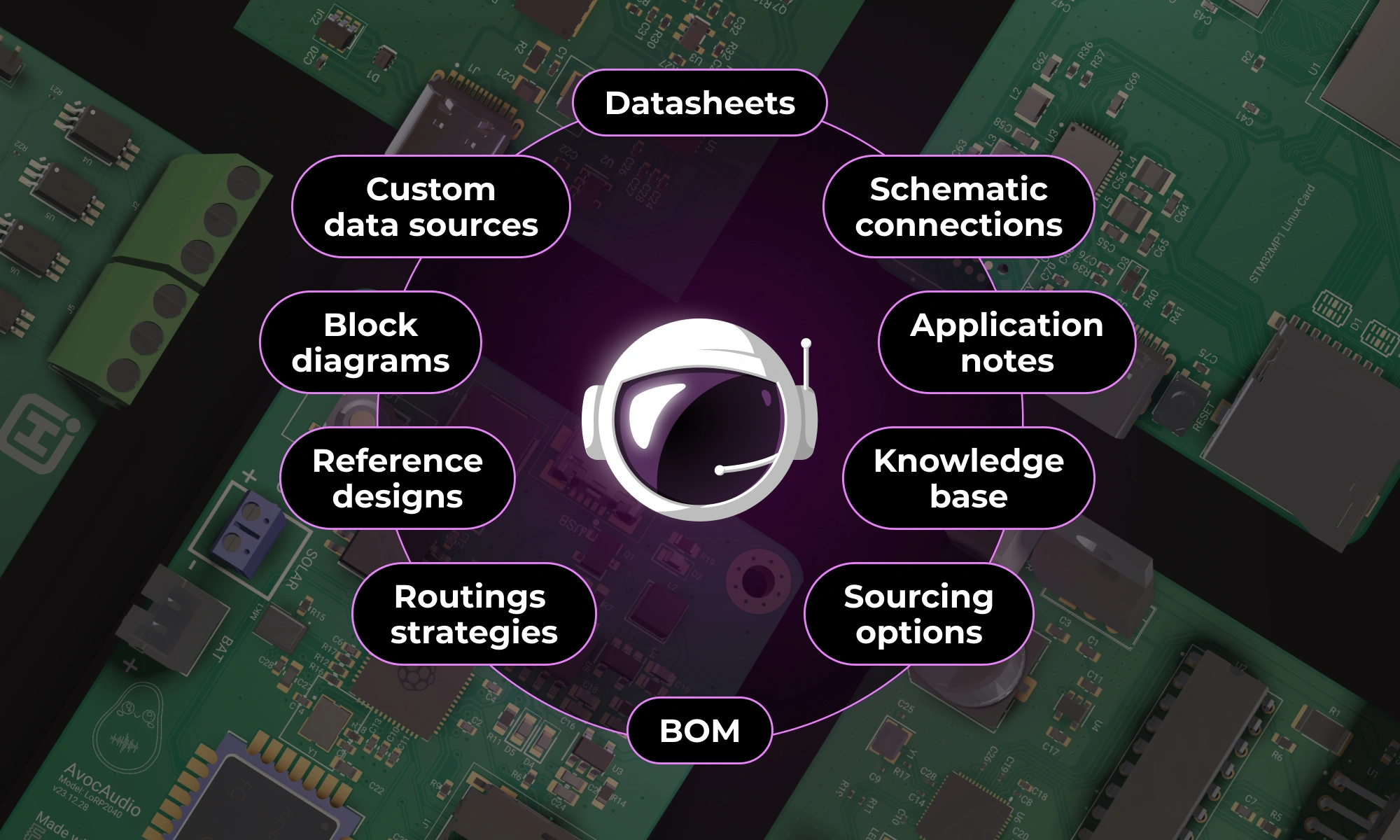
This post will give you a deeper understanding of how Flux Copilot works, how large language models (LLMs) and agentic systems operate under the hood, and why grounding them in engineering context matters.
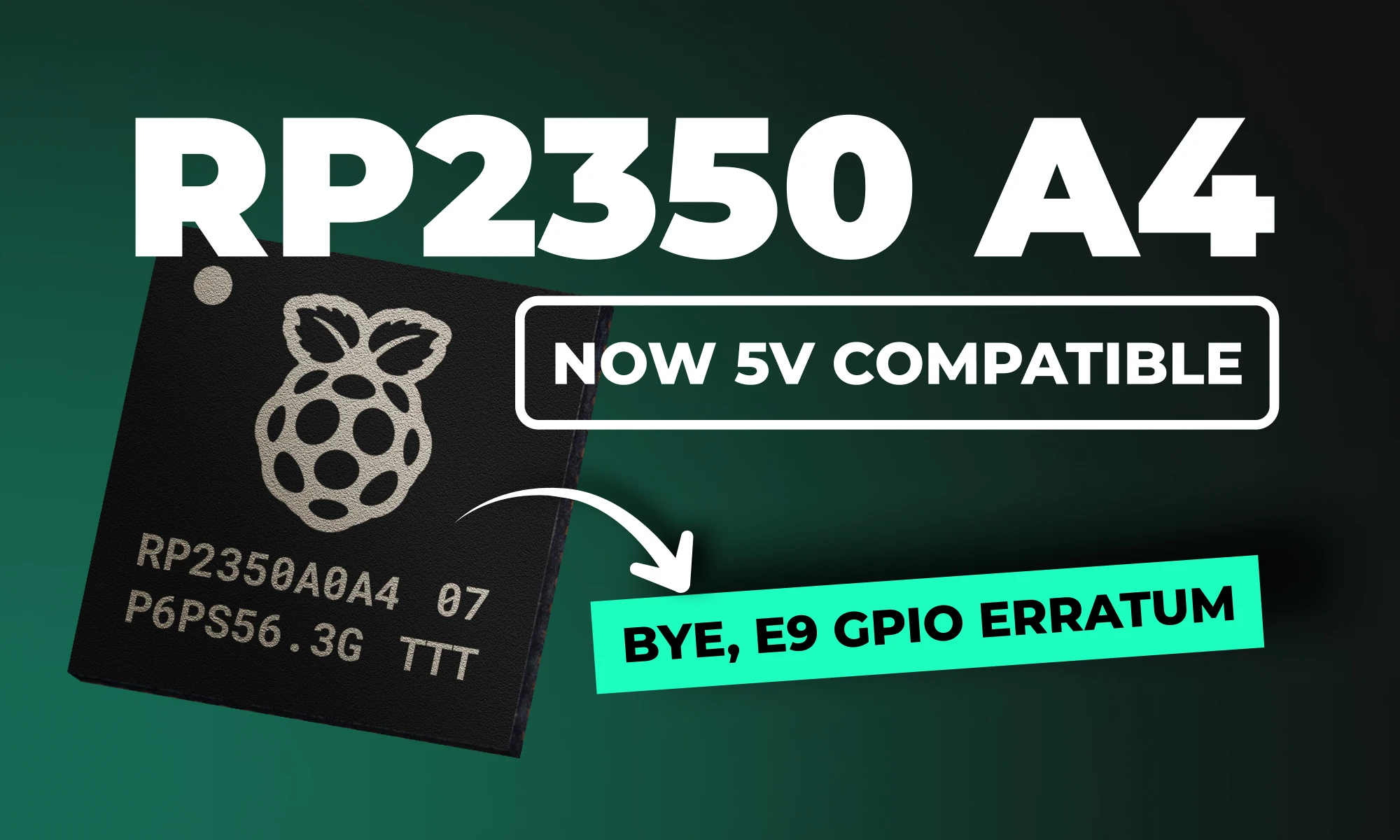
RP2350 A4 fixes GPIO bug, hardens security, adds 5 V tolerance and on-chip flash. See why every Pico project should migrate.
Learn about STM32 microcontrollers, popular series, USB OTG, SWD, UART, and development tools. Find the right STM32 MCU and kickstart your projects.

Buck and Boost converters are highlighted for their power efficiency and system reliability roles. The blog reveals their unique advantages, making them essential in diverse applications like renewable energy and portable electronics.

Imagine an AI teammate that doesn’t just chat about your PCB ideas, but actively transforms them into schematics—placing parts, connecting circuits, and optimizing your design at your command, all through natural language. That’s exactly what the newly overhauled Flux Copilot does.
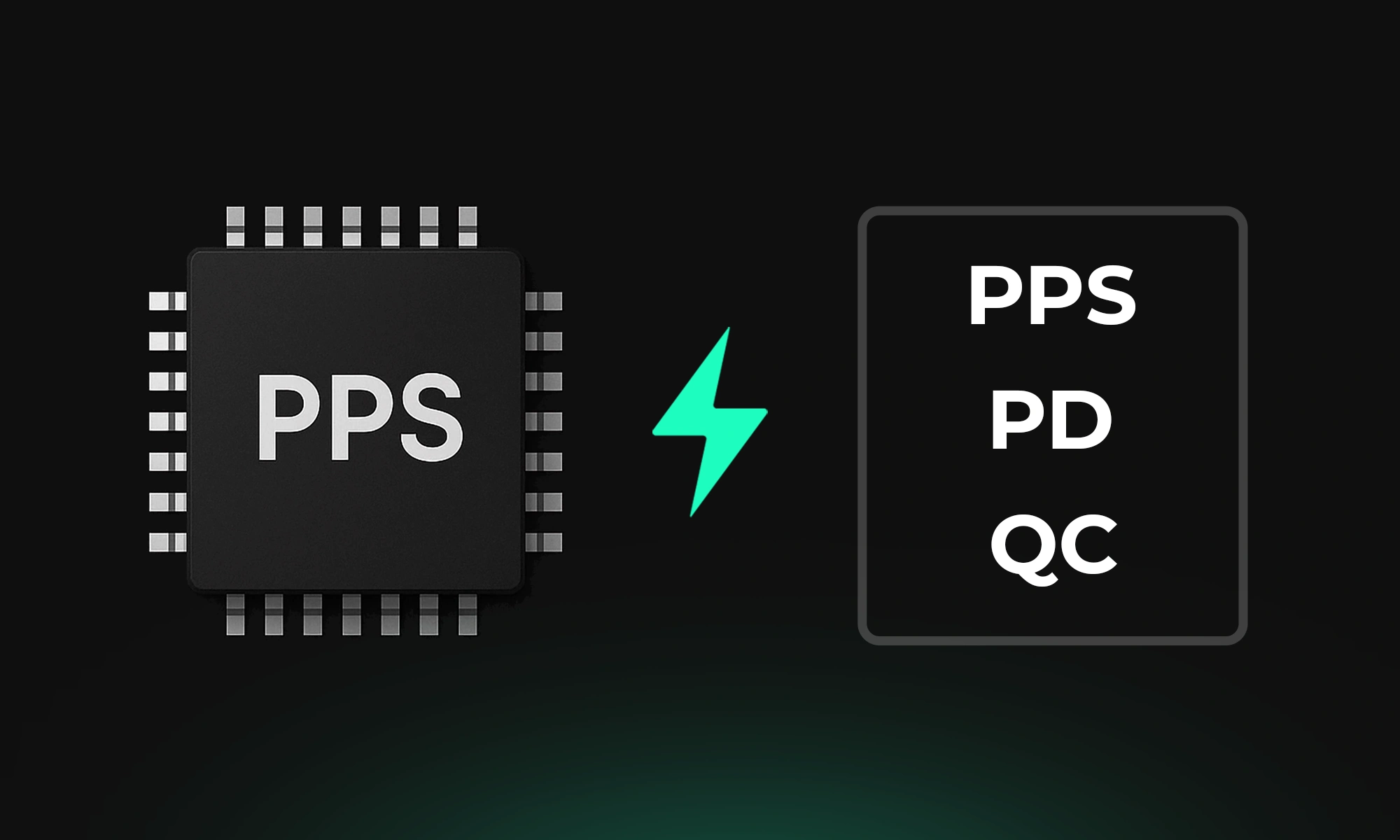
Fast charging has come a long way—and one of the most advanced technologies in this space is Programmable Power Supply (PPS). If you’ve ever wondered why your device charges faster with some cables and adapters than others, PPS might be the answer.

Understanding amps and volts is key to working with electronics. This guide explains their roles, relationship, and practical applications.

The SNES controller revolutionized gaming with its ergonomic shape, responsive buttons, and innovative shoulder controls. Its design set the standard for modern controllers. Even today, it remains a blueprint for comfort and precision in input devices.


